







Traditional jumper cables require flagging down another vehicle, positioning two cars close together, and hoping the other driver has a few minutes to spare, which isn’t always realistic if you’re stuck in a quiet parking lot or somewhere without much passing traffic. A portable jump starter gives you significantly more independence, letting you get your own vehicle running again without relying on anyone else.
Table Of Content
These devices work by using an internal battery, typically lithium-based in modern units, to deliver a strong, short burst of power directly to your vehicle’s battery terminals, enough to turn the engine over and get it running. Once the engine starts, your vehicle’s alternator takes over and recharges the battery normally during your drive.
Popular Options
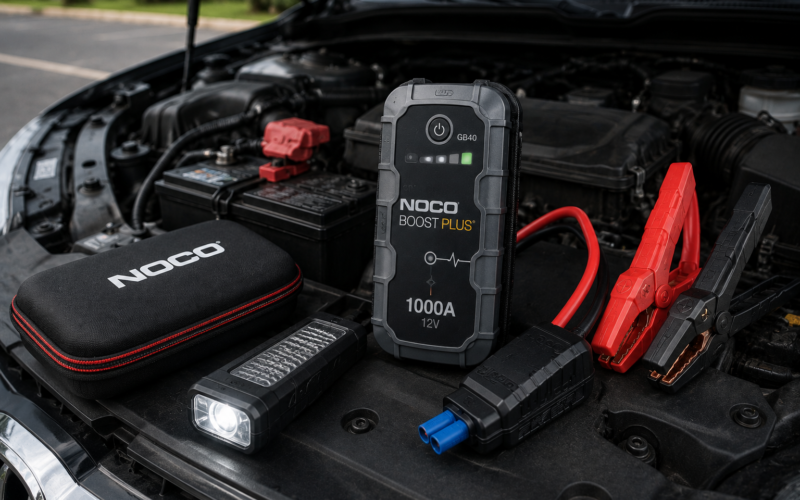
NOCO Boost Series
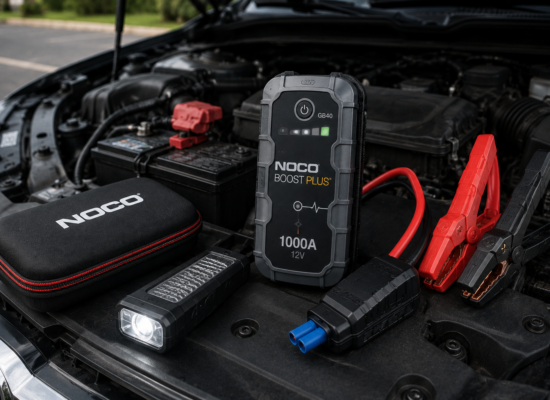
Compact jump starters from NOCO have become popular largely because they combine genuine portability with a range of power options suited to different engine sizes, from small four-cylinder cars up to larger trucks and SUVs. Many models also include useful extras like USB charging ports and built-in flashlights. Best for: Most drivers
HULKMAN Jump Starters
HULKMAN builds its portable units around straightforward, beginner-friendly operation, with clear indicator lights and simplified connection processes designed to reduce the chance of user error during what can be a stressful moment. Best for: Easy operation
Clore Automotive Jump N Carry
Larger jump starters from brands like Clore Automotive can make more sense for workshops, fleet vehicles, or drivers who prioritize maximum power over compact dimensions, since these units are generally bulkier but capable of jumping larger engines more reliably. Best for: Heavy duty use
Features Worth Paying For
- Appropriate engine compatibility: check the jump starter’s peak amp rating against your vehicle’s engine size, since a unit sized for a small sedan may struggle with a large truck engine.
- Battery capacity: affects both how many jump starts you get per charge and how long the unit can sit in storage before needing a top-up.
- Reverse polarity protection: prevents damage or sparking if the clamps are accidentally connected backward.
- USB charging: lets the unit double as a portable charger for phones and other devices in an emergency.
- Flashlight: a genuinely useful addition if you find yourself dealing with a dead battery at night.
- Durable clamps: sturdy, well-insulated clamps make a real difference in ease of use and safety.
- Storage case: protects the unit and keeps cables organized in your trunk or glovebox.
- Clear battery indicator: lets you check the jump starter’s charge level at a glance, rather than discovering it’s empty right when you need it.
Do not simply purchase the model advertising the largest headline number on the box. Instead, match the jump starter’s specifications to your actual engine’s requirements, since an oversized unit adds unnecessary bulk and cost, while an undersized one may not reliably start a larger engine.
Where Should You Keep It?
Keeping a jump starter in your vehicle makes practical sense, since that’s exactly where you’ll need it. But remember that its internal battery also requires occasional charging of its own, typically every few months even if it hasn’t been used, as most lithium-based units slowly lose charge over time.
Check it periodically, ideally by setting a recurring reminder, so that your emergency device isn’t sitting empty during an actual emergency, which defeats the entire purpose of keeping one in the car in the first place.
Final Verdict
For ordinary drivers, a compact NOCO unit or a similarly well-reviewed jump starter from another established brand provides a useful balance between portability and emergency capability. If you regularly deal with larger vehicles or want extra peace of mind, stepping up to a higher-capacity model like those from Clore Automotive is worth the added bulk.


No Comment! Be the first one.