







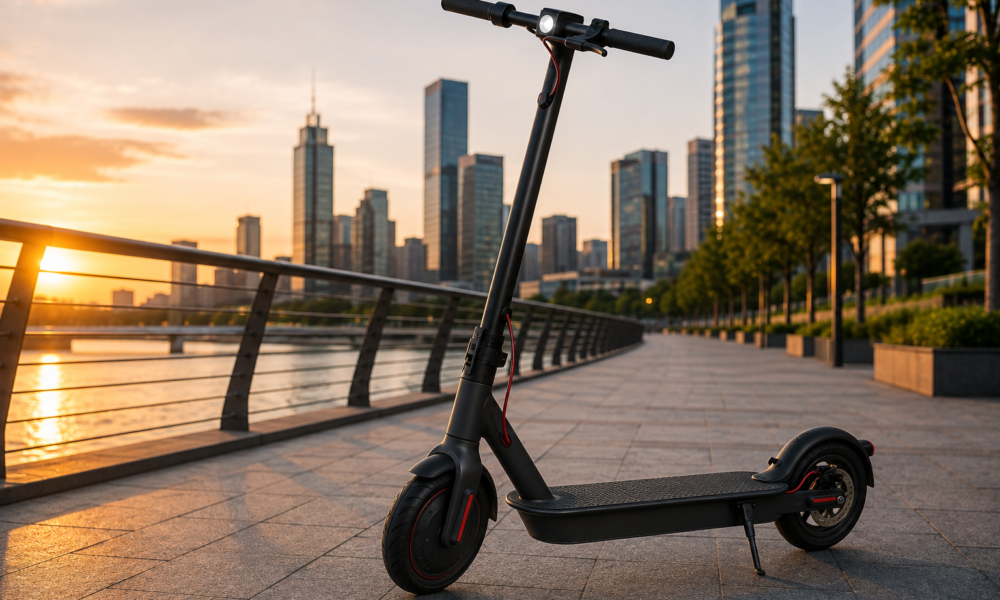
Electric scooters can provide an efficient option for short trips, campus commutes, and recreational riding, offering a genuinely fun and practical alternative to short car trips or crowded public transit for distances that are too far to comfortably walk but too short to justify driving. But specifications alone do not tell the whole story. Build quality, braking performance, and overall ride comfort matter considerably more in day-to-day use than a headline top-speed number.
Table Of Content
Before comparing specific brands, it helps to understand a few core specifications that show up across nearly every scooter listing: motor power (usually listed in watts), battery range (usually listed in miles or kilometers under ideal conditions), and maximum rider weight. Each of these numbers is typically measured under close to ideal conditions, so real-world performance is often somewhat lower.
Brands Worth Considering
Segway Ninebot
Segway offers electric scooters spanning beginner, commuter, and higher-performance categories, giving the brand one of the widest overall product ranges in the space. This breadth makes Segway Ninebot a sensible starting point for almost any type of rider, whether you’re looking for a simple, affordable commuter model or a more powerful scooter with a longer range and larger tires. Best for: Everyday riders
NIU Electric Scooters
NIU has expanded beyond its original focus on electric mopeds into the modern personal mobility scooter market, bringing with it a design sensibility and attention to build quality that stands out in a crowded field. Best for: Urban commuting
Gotrax Scooters
Gotrax offers many models aimed squarely at value-conscious buyers, making the brand a reasonable entry point for someone testing out electric scooter commuting for the first time without committing to a premium price tag right away. Best for: Beginners
What Should You Compare?
- Range: the distance the scooter can travel on a single charge under typical conditions.
- Rider weight limit: exceeding this can reduce performance, range, and in some cases void the warranty.
- Motor capability: affects acceleration and how well the scooter handles inclines.
- Brakes: look for a combination of electronic and mechanical braking for reliable stopping power.
- Tire size: larger, air-filled tires generally provide a smoother ride over rough pavement than smaller solid tires.
- Suspension: particularly valuable if you’ll be riding over uneven sidewalks or roads regularly.
- Scooter weight: a heavier scooter may perform better but becomes noticeably harder to carry up stairs or onto public transit.
- Folding mechanism: affects how easily you can store and transport the scooter when not riding.
- Water resistance: useful if you might get caught riding in light rain.
- Replacement parts: check how easily tires, batteries, and other wearable parts can be sourced down the line.
Do not choose a scooter based solely on its advertised maximum range. Real-world range can vary considerably according to rider weight, riding speed, hills, wind, temperature, and tire pressure, so it’s often wise to assume the real-world figure will land noticeably below the advertised maximum.
Safety Comes First
Always check your local regulations before using an electric scooter on public roads or sidewalks, since rules around speed limits, required equipment, and where scooters are legally allowed to operate vary considerably from one city to another.
Use appropriate protective equipment, particularly a helmet, and take time to become familiar with the brakes and handling in a low-traffic area before riding in busier streets or alongside vehicle traffic.
Final Verdict
Segway is a strong place to start for most buyers, thanks to its wide range of models spanning different price points and skill levels, while NIU and Gotrax provide additional choices depending on whether you’re prioritizing build quality or affordability.


No Comment! Be the first one.