







A discharged battery can turn a normal morning into a frustrating one, especially if it happens right as you’re trying to leave for work or an appointment. Keeping a battery charger at home gives you another option before calling roadside assistance or assuming the worst and heading straight to a shop for a replacement battery, which isn’t always necessary.
Table Of Content
Modern “smart” battery chargers have come a long way from the simple trickle chargers of the past. Today’s models typically use multi-stage charging algorithms that adjust the current delivered to the battery based on its condition, which helps recharge a depleted battery safely while also protecting a healthy battery from overcharging if it’s left connected for an extended period.
Products Worth Comparing
NOCO Genius Series
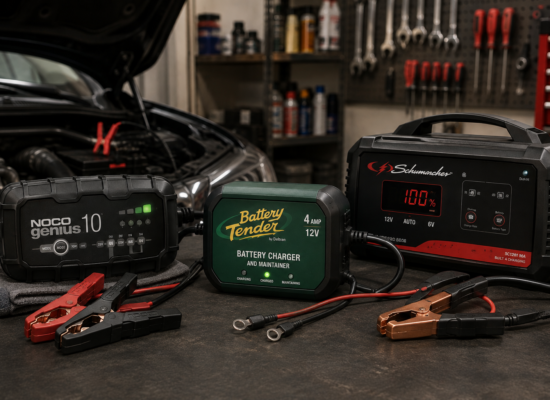
NOCO produces smart battery chargers designed for a wide range of battery sizes and applications, from small motorcycle batteries to full-size automotive and marine batteries. Their Genius line is well regarded for its combination of safety features, ease of use, and compatibility with different battery chemistries, including standard lead-acid, AGM, and lithium batteries. Best for: Overall versatility
Battery Tender Chargers
Battery Tender built its reputation specifically around battery maintenance applications, meaning chargers designed to be left connected to a vehicle for extended periods without damaging the battery. This makes the brand particularly well suited to seasonal vehicles like boats, motorcycles, and RVs that sit unused for weeks or months at a time. Best for: Vehicles stored for longer periods
Schumacher Chargers
Schumacher offers chargers across multiple power levels and price ranges, from basic home-use models to higher-output units capable of charging larger batteries more quickly. This range makes Schumacher a reasonable option whether you need something simple for occasional use or a more capable charger for a garage that services multiple vehicles. Best for: Garage use
Charger vs Jump Starter
It’s worth being clear about the distinction between these two related but different products, since people sometimes assume they solve the same problem.
A charger replenishes a battery gradually over time, typically taking anywhere from several hours to overnight depending on how depleted the battery is and how powerful the charger is.
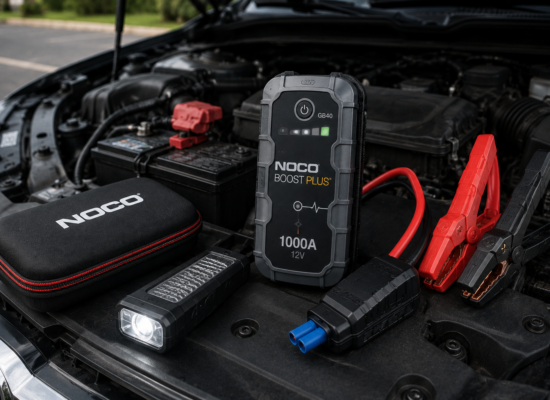
A jump starter, by contrast, is designed to deliver enough immediate power in a short burst to start the vehicle’s engine right away, without necessarily fully recharging the battery afterward.
If your battery regularly becomes discharged because a vehicle sits unused for long stretches, a charger or maintainer is generally the more useful long-term solution, since it addresses the underlying issue rather than just getting you moving in the moment.
What to Check Before Buying
- Battery voltage: most passenger vehicles use 12V batteries, but always confirm before buying.
- Battery chemistry: lead-acid, AGM, gel, and lithium batteries can have different charging requirements.
- Charging current: measured in amps, this affects how quickly a depleted battery recharges.
- Automatic shutoff: prevents overcharging once the battery reaches full charge.
- Maintenance mode: allows the charger to stay connected long-term without damaging the battery.
- Cable length: longer cables give you more flexibility in positioning the charger relative to the vehicle.
- Safety protections: features like reverse polarity protection and spark-proof connections reduce the risk of accidents.
Always confirm that a charger is compatible with your specific vehicle’s battery type and voltage before making a purchase, since using the wrong charger can damage the battery or, in rare cases, create a safety hazard.
Final Verdict
A smart charger is one of those accessories you may rarely think about until the moment you actually need it, at which point you’ll be glad you already own one. NOCO, Battery Tender, and Schumacher are all excellent, well-established brands worth comparing before making a final decision, and the right choice mostly comes down to how you plan to use it, whether that’s occasional home charging or long-term maintenance for a seasonal vehicle.


No Comment! Be the first one.